


 Cart
Cart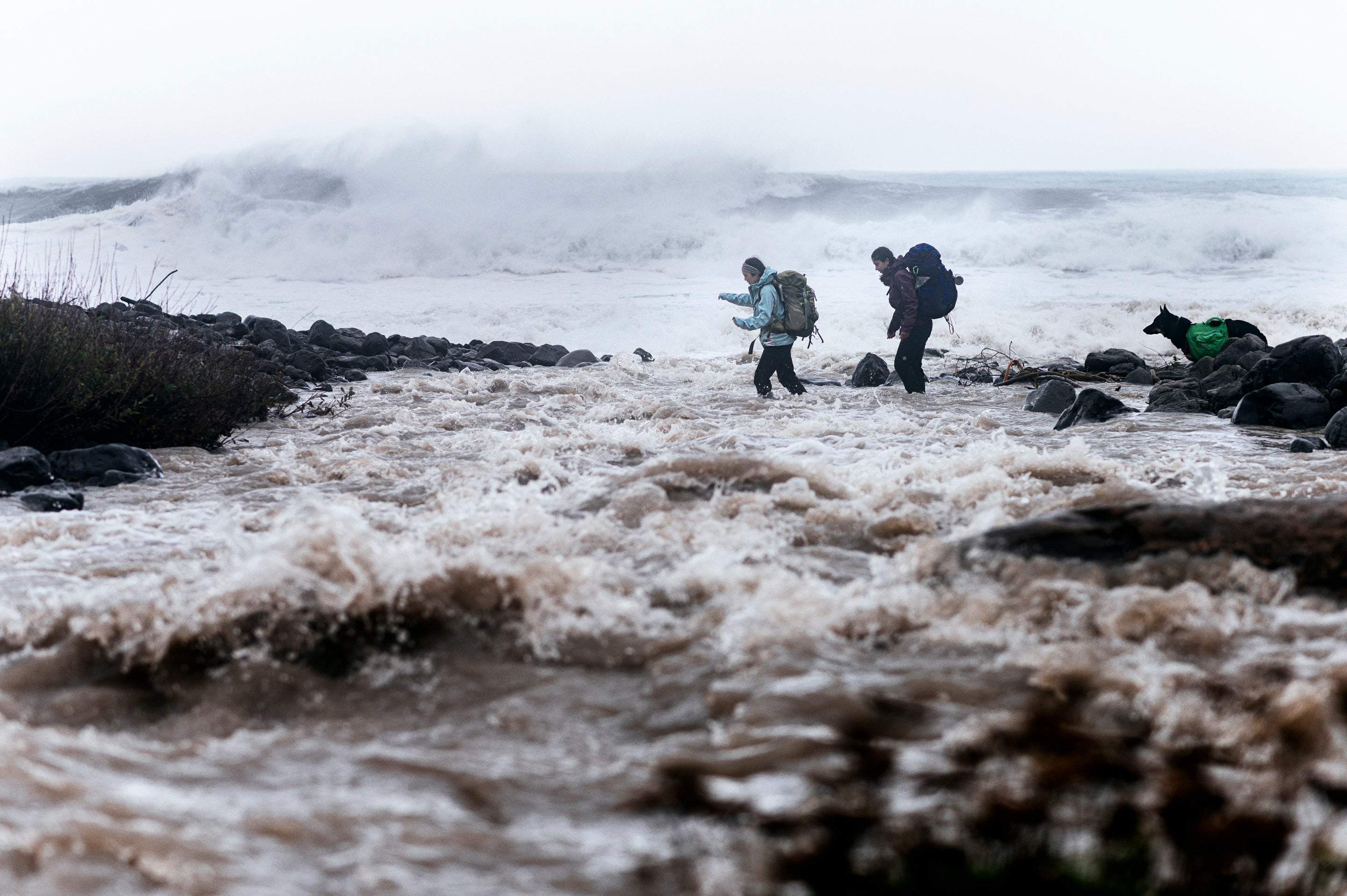
Earning Solitude: Off-Season Trials on the Lost Coast Trail — Craghoppers Guide

Despite being the US’s most populated state, California contains places where the map still whispers of wilderness; where the modern world recedes into a roar of waves and wind; and the only schedule is set by the sun and the inexorable pull of the distant moon. The Lost Coast Trail in the northern part of the state is such a place—a raw, untamed ribbon of earth where the King Range mountains plunge dramatically into the ocean. It’s a place so rugged, Pacific Coast Highway 1 was forced inland; virtually no modern infrastructure was developed. To hike the route is not merely to take a walk; it is to accept an invitation to a slower, more elemental rhythm, where the journey itself becomes the destination.

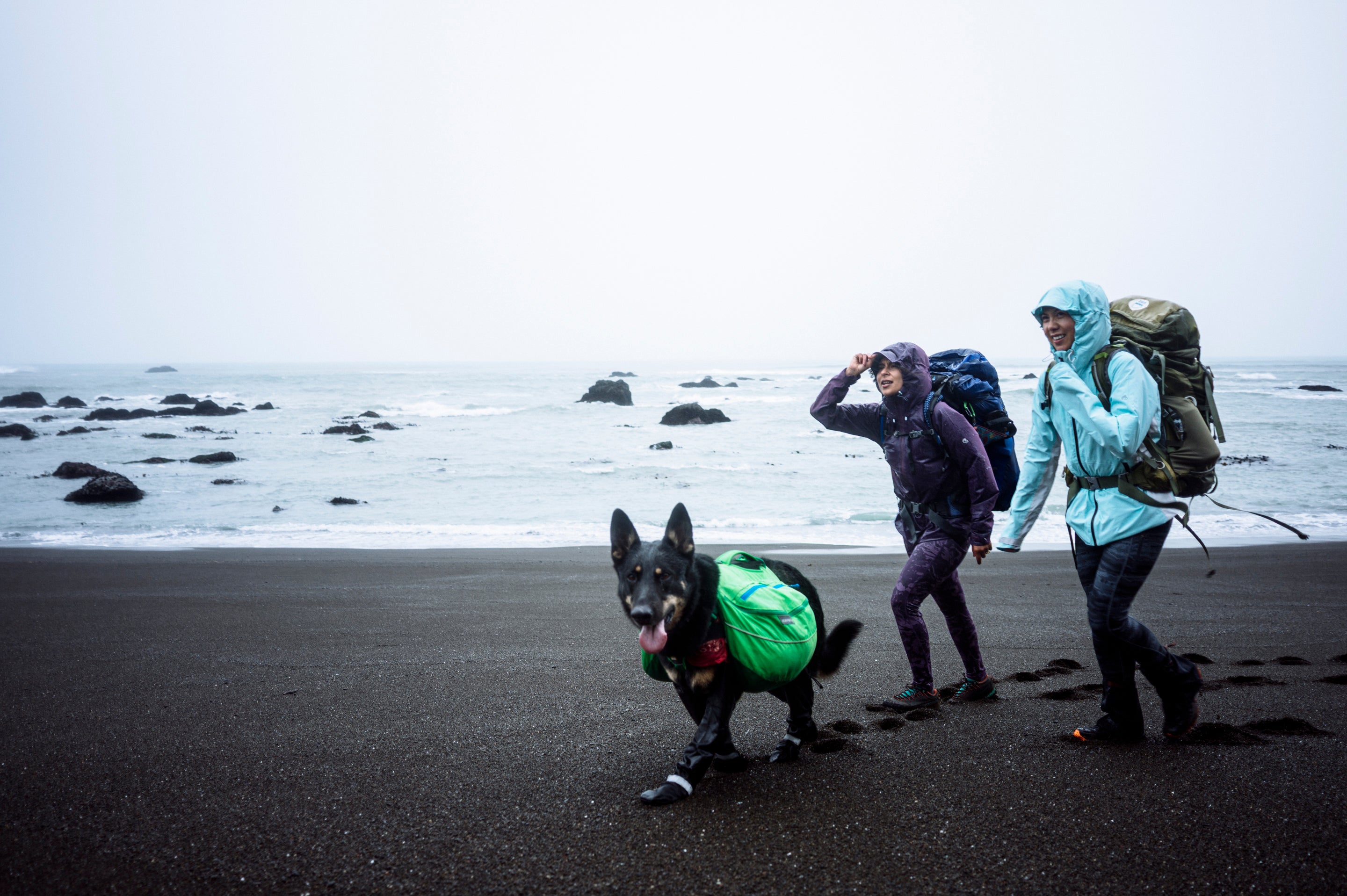
Stretching roughly 25 miles from the Mattole River to Shelter Cove, this legendary route is often described as one of the most spectacular coastal hikes in the United States. Its very existence is a testament to the planet’s mighty geologic force—the tectonic power that built the King Range was so rapid that the coast remained too rugged for road-building, and in turn, development, leaving it truly "lost." For the intrepid explorer, the appeal is profound: vast, empty black-sand beaches strewn with sea stacks and driftwood; encounters with elephant seals and river otters; and vistas where fog-shrouded peaks meet a seemingly endless Pacific Ocean. It’s a trek that demands self-reliance and rewards with a profound sense of solitude and accomplishment.

However, this beauty is fiercely guarded by immutable natural laws. Backpacking the Lost Coast is a lesson in humility and preparation, governed by two critical factors: tides and impassable zones. Numerous, large sections of the beach butted up against seaside cliffs, most notably the 4-mile stretch at Sea Lion Gulch and another at Miller Flat, become completely submerged during high tide, forming what the Bureau of Land Management (BLM) ominously designates as "Impassable Zones.” Careful planning with a tide chart is not a suggestion—it is an absolute necessity. Missing a tidal window can leave you trapped against cliffs, a dangerous situation that underscores the trail’s raw power. Respecting these boundaries is non-negotiable for safe passage.
The prime window to hike is late spring through early fall, when rainfall is lower, creek crossings are safer, and the odds of sunny days are highest—however, this presents a potential dilemma: when conditions are ideal, the route is popular and permits are scarce. However, for the intrepid, there is another, more accessible-yet-demanding way to experience the Lost Coast—during times when permits flow freely as the route’s rain-swelled creeks: the off-season. October-April. Especially the winter months. Months when temperatures are colder. Rain is heavier and more likely; and as a result, creek crossings become more treacherous. Winds are more fierce. All of which provide a test of grit and gear that is not for the inexperienced, nor for the faint-of-heart.

Choosing the off-season is to embrace the region’s untamed mood. It is the epitomization of the desolation characterized by the place’s very name: The Lost Coast. This is not a hike for postcard pictures; it is an immersion in elemental forces.
If you decide to go, here is what you must internalize.

You will be wet.
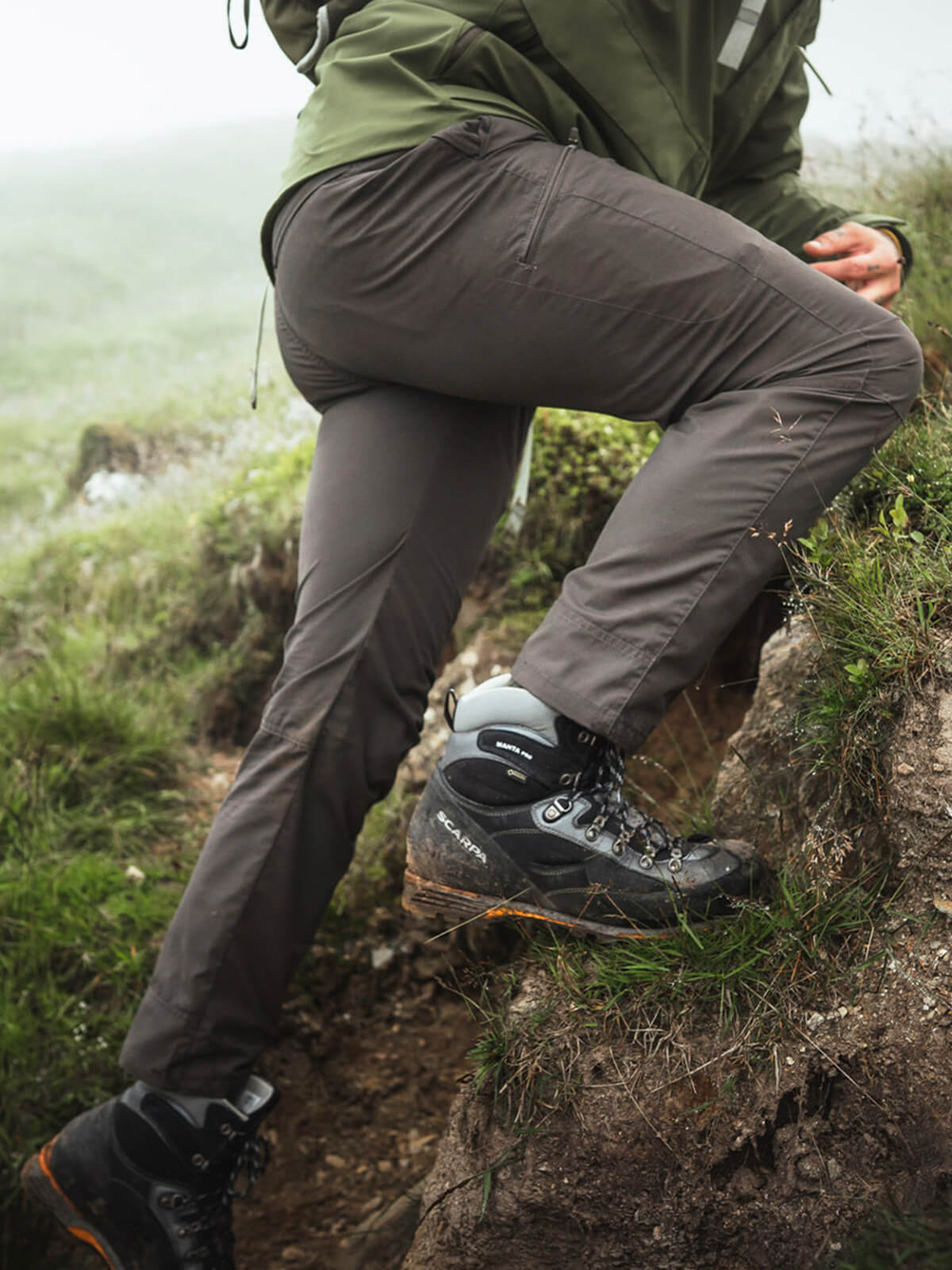
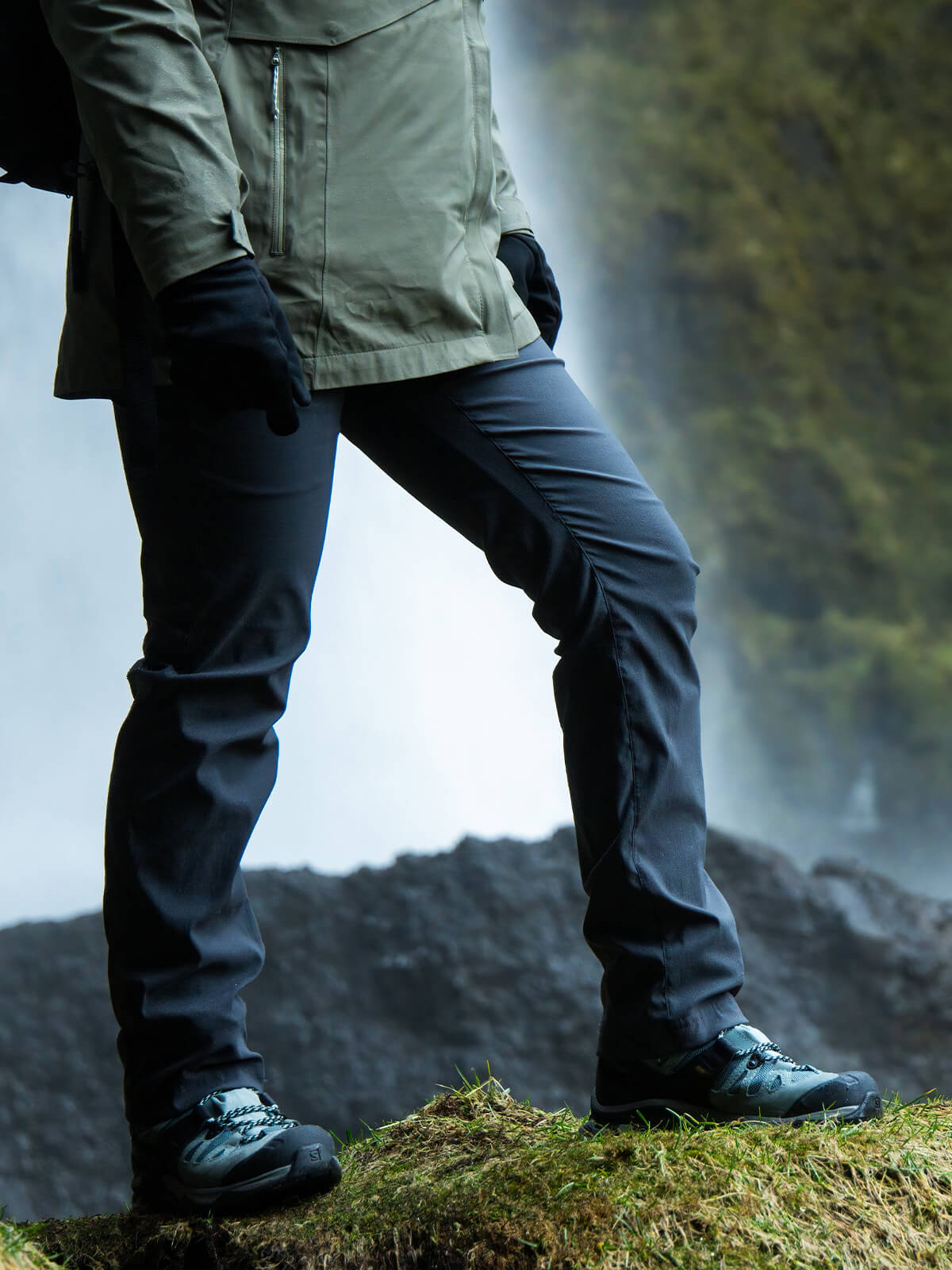
This is a non-negotiable premise, not a possibility. The moisture will be omnipresent: horizontal rain from storms, blown sea spray, sweat under a full pack, and inevitable waist-deep creek crossings. Your planning must center on managing wetness, not avoiding it. Logistically, this means a hardshell jacket and pants with guaranteed waterproof integrity (like AquaDry Pro), sealed seams, and waterproof pack liners—not just stuff sacks or rain covers. Psychologically, it requires accepting dampness as a constant state and focusing on the critical goal: keeping your core warm and your sleep system (including sleeping bag, pad, and spare layers) absolutely dry, no matter the cost.

It will be cold.
The cold of the Lost Coast off-season is a penetrating, damp chill amplified by relentless wind. It saps heat and morale with equal efficiency. Logistically, your insulation must be synthetic, as even “waterproof” down will lose all warmth when confronted with these conditions. Think of fleece (CO2 Renu) and light, lofted synthetic layers (Compresslite VIII) that retain heat even when damp. Your psychological preparation is the practice of proactive warming—donning layers before you stop moving, consuming calories before you feel a deficit, and understanding that hypothermia is a stealthy, critical risk. The cold demands constant, vigilant management.

The Lost Coast will be especially desolate.
This transcends solitude. It means the complete absence of safety nets. There are no hiker shuttles running; you must arrange your own intricate, reliable vehicle shuttle—which likely means separately driving two vehicles up with a friend and leaving one at the end. Search and Rescue (SAR) capabilities are limited and weather-dependent; you are your own first responder. You will likely see no other people for days. This level of desolation requires a profound shift in mindset. You must cultivate absolute self-sufficiency, carrying the gear and knowledge to handle equipment failure, injury, and severe weather on your own. A satellite communicator is a bare minimum for emergencies. The psychological weight of true isolation is heavy; you must be comfortable with your own thoughts for miles and days, with no external distraction or reassurance beyond your team.

Beyond these, you must prepare for the raw power of the elements. Ocean surges can reclaim more of the beach, necessitating even more conservative tide planning. Allow larger buffers, as progress over slippery rocks and sand is slower. Creek crossings become serious hydraulic hazards, requiring research on fording techniques and the willingness to wait or turn back.

However, the reward for this rigorous preparation is a profound, earned intimacy with a wild coast that few ever see in its most powerful state. You will not conquer the Lost Coast; you will, with humility and preparation, be permitted to pass through.
NOTE FROM THE EDITOR: Over the course of three days in November 2025, Craghoppers brand creative Chris Brinlee, Jr. backpacked the Lost Coast with friends Piyusha and Christine; as well as his German Shephard, Apollo. They wore Craghoppers protective apparel throughout their arduous journey—testing its performance in demanding, real-world conditions, for which the gear was designed. Chris described their kit as performing brilliantly; however, the conditions, challenges, and risks described are serious and cannot be overcome by good gear alone. Do not approach the Lost Coast Trail in the off-season lightly. But if you are prepared to face its demands, the reward is great.
Leave a comment
This site is protected by hCaptcha and the hCaptcha Privacy Policy and Terms of Service apply.